

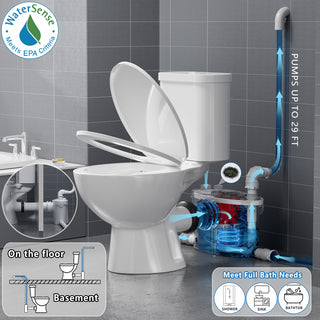
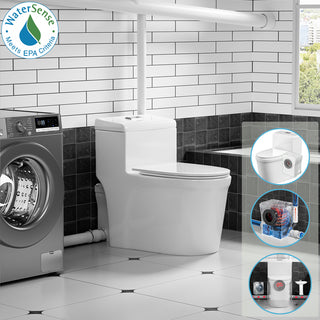



If you own a macerator toilet — also known as an upflush toilet — you already know it's not your average bathroom fixture. It grinds waste and pumps it away using a motor and sharp blades, which means the way you clean it matters a lot. Use the wrong product, and you could corrode rubber seals, damage the pump, or void your warranty.
In this guide, we'll walk you through exactly what you can and cannot use to clean a macerator toilet — for the bowl, the tank, and the internal macerator system.
Why Cleaning a Macerator Toilet Is Different
A traditional toilet simply flushes waste by gravity through a drain. A macerator toilet has moving parts: a motor, rubber seals, a macerating blade, and internal pump components. These parts are sensitive to:
- Harsh chemicals like undiluted bleach
- Foaming cleaners that interfere with the pump mechanism
- Acid-based products like kettle descalers
- Any products not specifically formulated for macerator systems
That said, with the right products and a consistent routine, cleaning a macerator toilet is straightforward.

What You Can Use to Clean a Macerator Toilet
1. Macerator-Safe Descaler (Best Option for the System)
This is the gold standard for cleaning the internal macerator unit. A purpose-formulated descaler contains phosphoric acid at a safe concentration — strong enough to dissolve limescale and break down residue, but gentle enough not to damage rubber seals, valves, or the motor.
How to use it:
1) Turn off power to the macerator unit
2) Pour an appropriate amount of descaler into the toilet bowl
3) Leave it to soak for 30–120 minutes
Shorter soaking periods are usually sufficient for light mineral buildup, while heavily scaled systems may require closer to the upper limit.
⚠️ Do not leave descaling solution inside the pump for more than 2 hours, since prolonged chemical exposure may potentially damage internal components such as seals, valves, or protective coatings.
4) Turn the power back on and flush twice to rinse the system
⚠️ Always follow the manufacturer’s cleaning recommendations, as chemical tolerance and maintenance requirements may vary across different macerating pump designs.
2. White Vinegar (Natural Alternative) / Vinegar-Based Cleaners
White vinegar is a safe, natural option for regular bowl cleaning and light descaling. Its mild acidity helps break down limescale and neutralize odors without harming internal components. It works well for routine maintenance rather than deep descaling.
Simply pour about 300-500ml into the bowl, scrub with a toilet brush, and flush. You can also add it to the cistern monthly for ongoing freshness.
However, please also pay attention to the following:
① Vinegar should still be used in moderation and followed by a thorough flush with clean water.
② High-concentration use is not recommended for frequent cleaning.
③ Prolonged soaking may still carry a potential corrosion risk (though relatively low).
3. Mild Toilet Bowl Cleaners
Standard toilet bowl cleaners with non-acidic formulas are generally safe for macerator toilets.
Look for products that are:
- Non-corrosive
- Non-bleach or low-bleach
- Designed for regular bathroom use
4. Enzyme-Based Cleaners
Enzyme-based cleaners are worth adding to your maintenance kit. They break down organic waste through natural biological processes rather than harsh chemistry — making them gentle on rubber seals and internal components, effective at controlling odors, and safe for the pump system. They work especially well as a monthly flush-through between deeper descaling sessions, and are commonly used in RV toilets, septic systems, and macerator pumps alike.
5. Plain Water and Regular Brushing
For routine cleaning, sometimes the simplest solution is the best. Regular brushing with water helps prevent buildup before it becomes a problem.
Frequent light cleaning reduces the need for stronger chemicals later.
Cleaners You Should NEVER Use in a Macerator Toilet
⚠️ Warning: Using the wrong product can void your warranty and permanently damage the pump, seals, or blades. Always check the manufacturer guidelines for your specific unit.
1. Strong Bleach Cleaners
Heavy or frequent use of bleach-based cleaners will degrade rubber seals and internal components over time. Avoid in-cistern bleach tablets entirely.
2. Chemical Drain Cleaners
Chemical drain unblockers are far too strong for macerator systems. They can damage the pump housing, seals, and plastic components. Never use a plunger either -- if there is a blockage, call a macerator-specialist plumber.
3. Industrial Acid-Based Descalers
Kettle descalers and industrial acids may corrode internal metal parts. If descaling is needed, always use products specifically formulated for macerator units.
4. Thick Gel Toilet Cleaners
Gel cleaners create excess foam inside the macerator tank that can affect pump performance.
How Often Should You Clean a Macerator Toilet?
A consistent cleaning schedule prevents heavy buildup and keeps the pump running efficiently:
| Frequency | Task | Notes/Product |
| Weekly | Light bowl cleaning | Mild cleaner or water + brush |
| Monthly | Check for odor / limescale | Vinegar or enzyme cleaner |
| Every 1-3 months | Mild system clean | Flush mild cleaner through system |
| Every 3-6 months | Descaling | Macerator-safe descaler; more often in hard water areas |
| Annually | Professional inspection | Check seals, blades, and pump |
Tips to Keep Your Macerator Toilet Running Longer
- Only flush human waste and toilet paper — no wipes, cotton pads, or feminine hygiene products
- Use toilet paper labeled 'septic safe' or 'macerator safe'
- Never use a plunger — if there's a blockage, call a plumber who specializes in macerator systems
- Start your descaling routine when the toilet is brand new, not after problems begin
- If you notice unusual sounds, slow flushing, or persistent odors, descale first before assuming a bigger issue
Considering a New Macerator Toilet?
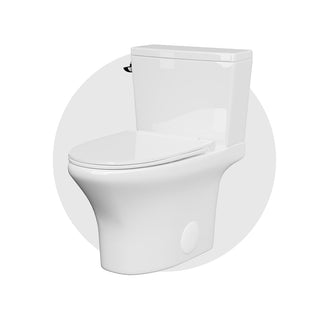
If you're in the market for a reliable upflush toilet, SimpleProject carries the SNFLEX line of macerating toilets — available in one-piece and two-piece configurations, with powerful 500W, 600W and 750W motors built for long-term performance.
They're a great fit for basement bathrooms, garage conversions, or any space where traditional plumbing isn't an option.
👉 Shop SNFLEX Macerating Toilets at simpleprojectus.com →
Final Thoughts
Cleaning a macerator toilet doesn’t have to be complicated — it simply requires using the right types of cleaning products. For deeper maintenance, macerator-safe descalers are typically the most effective option for removing mineral buildup inside the system. For routine bowl cleaning, gentle solutions such as white vinegar or mild, bleach-free toilet cleaners can help keep the surface fresh without putting unnecessary stress on the pump.
The key is to avoid harsh chemicals, thick foaming cleaners, or products not intended for macerating systems. With a simple monthly maintenance routine and the right cleaning approach, your macerator toilet can continue running quietly and efficiently for many years.